Entscheide was du fühlst
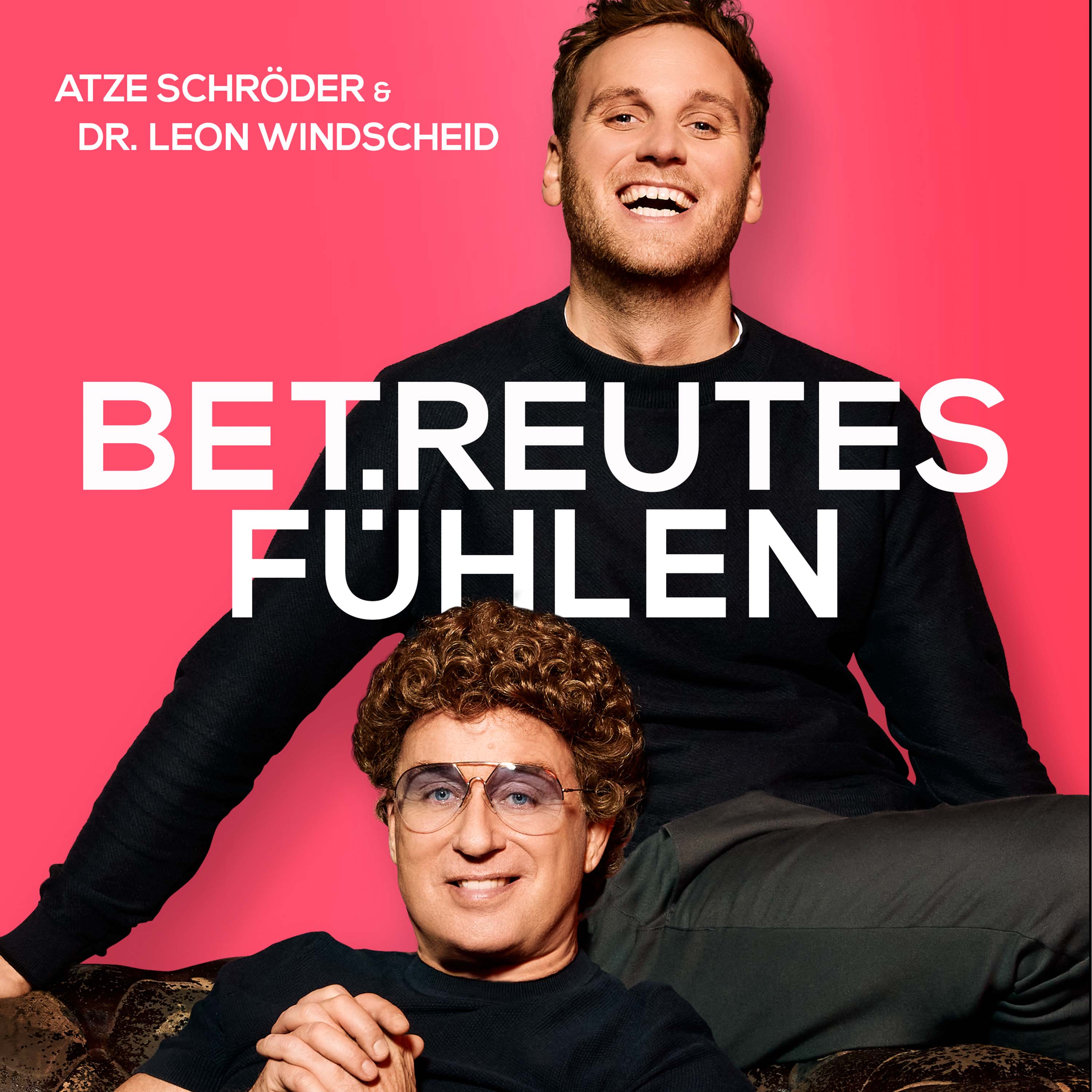
Betreutes Fühlen
Müssen wir unsere Gefühle immer alle verarbeiten? Oder reicht es, wenn wir sie einfach nur verändern? Leon und Atze sitzen heute an den Reglern unserer Gefühle und zeigen, wie wir Musik, Raum, Zeit, soziale Beziehungen oder Kultur zur Emotionsregulation nutzen können. Immer mit dem Ziel, sich nicht von unseren Gefühlen steuern zu lassen, sondern selbst Einfluss auf deren Verlauf zu nehmen.
Fühlt euch gut betreut
Leon & Atze
Tickets
- Atze: atzeschroeder.de/#termine
- Leon: leonwindscheid.de/tour
Podcastempfehlung
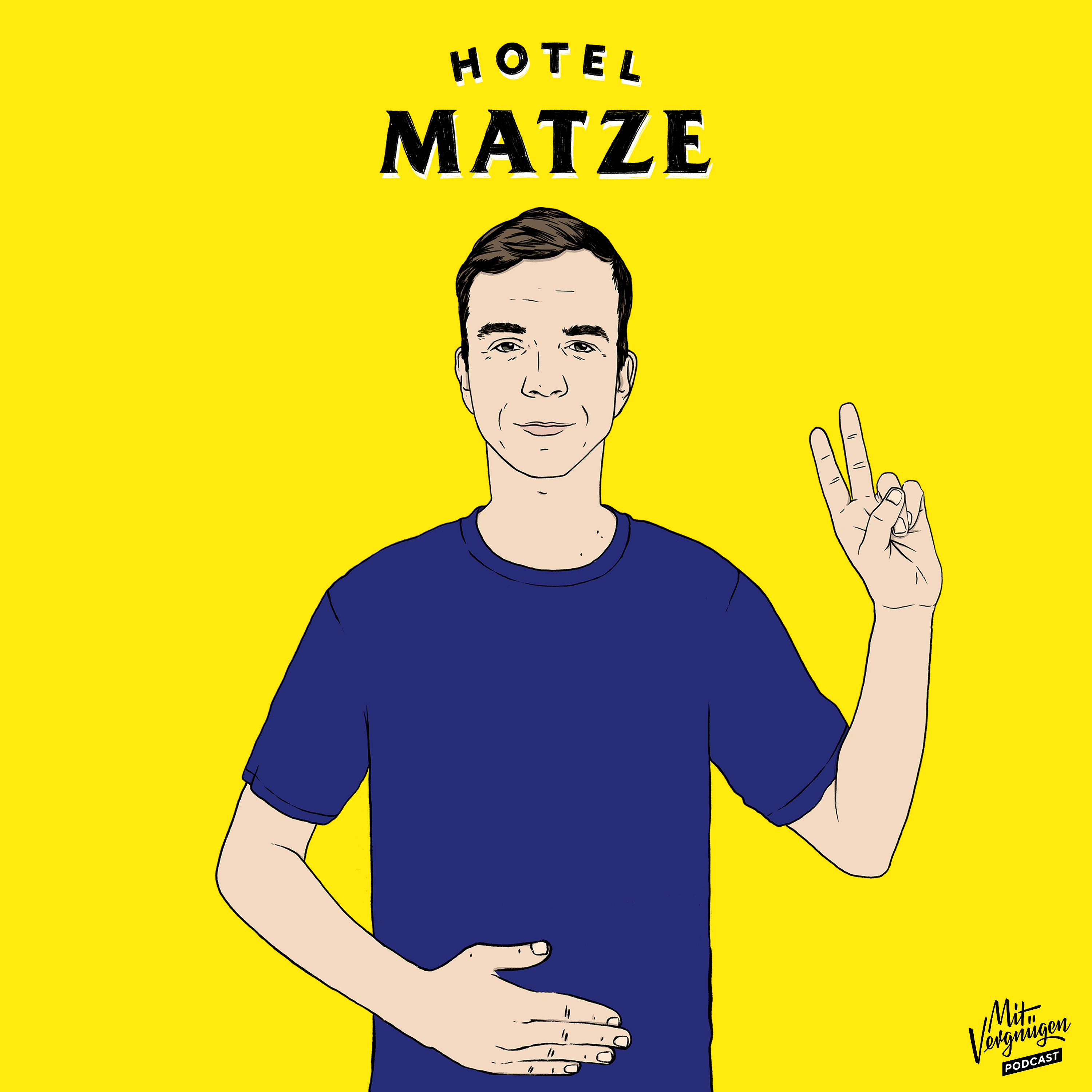
Carl Jakob Haupt im Hotel Matze
Wichtige Links
- Artikel in der New York Times
- Der Autor Ethan Kross
- Dunedin-Studie
- Die Studie zur Selbstkontrolle: Moffitt, T. E., Poulton, R., & Caspi, A. (2013). Lifelong impact of early self-control: Childhood self-discipline predicts adult quality of life. American Scientist, 101(5), 352-360. dunedinstudy.otago.ac.nz/files/157197...
- Veränderbarkeit der Emotionen: Tamir, M., John, O. P., Srivastava, S., & Gross, J. J. (2007). Implicit theories of emotion: affective and social outcomes across a major life transition. Journal of personality and social psychology, 92(4), 731. researchgate.net/publication/6360018_...
- Warum wir Musik hören: Lonsdale, A. J., & North, A. C. (2011). Why do we listen to music? A uses and gratifications analysis. British journal of psychology, 102(1), 108-134.
- Resilienz durch Flexibilität: Bonanno, G. A., Chen, S., & Galatzer-Levy, I. R. (2023). Resilience to potential trauma and adversity through regulatory flexibility. Nature Reviews Psychology, 2(11), 663-675. tc.columbia.edu/faculty/gab38/faculty...
- Studie zum Selbstgespräch: Moser, J. S., Dougherty, A., Mattson, W. I., Katz, B., Moran, T. P., Guevarra, D., … & Kross, E. (2017). Third-person self-talk facilitates emotion regulation without engaging cognitive control: Converging evidence from ERP and fMRI. Scientific reports, 7(1), 4519. nature.com/articles/s41598-017-04047-3
- Temporal Distancing: Bruehlman-Senecal, E., Ayduk, Ö., & John, O. P. (2016). Taking the long view: Implications of individual differences in temporal distancing for affect, stress reactivity, and well-being. Journal of Personality and Social Psychology, 111(4), 610.
- Die WOOP Website
Redaktion: Andy Hartard Produktion: Murmel Productions
Raw Description
Betreutes Fühlen <p>Müssen wir unsere Gefühle immer alle verarbeiten? Oder reicht es, wenn wir sie einfach nur verändern? Leon und Atze sitzen heute an den Reglern unserer Gefühle und zeigen, wie wir Musik, Raum, Zeit, soziale Beziehungen oder Kultur zur Emotionsregulation nutzen können. Immer mit dem Ziel, sich nicht von unseren Gefühlen steuern zu lassen, sondern selbst Einfluss auf deren Verlauf zu nehmen.</p> <p>Fühlt euch gut betreut</p> <p>Leon & Atze</p> <p>Instagram: <a href="https://www.instagram.com/leonwindscheid/">https://www.instagram.com/leonwindscheid/</a> <a href="https://www.instagram.com/atzeschroeder_offiziell/">https://www.instagram.com/atzeschroeder_offiziell/</a></p> <p>Mehr zu unseren Werbepartnern findet ihr hier: <a href="https://linktr.ee/betreutesfuehlen">https://linktr.ee/betreutesfuehlen</a></p> <p>Tickets: Atze: <a href="https://www.atzeschroeder.de/#termine">https://www.atzeschroeder.de/#termine</a> Leon: <a href="https://leonwindscheid.de/tour/">https://leonwindscheid.de/tour/</a></p> <p>Start ins heutige Thema: 09:00 min.</p> <p>Podcastempfehlung: Carl Jakob Haupt im Hotel Matze</p> <p>Wichtige Links:</p> <p>Artikel in der New York Times: <a href="https://www.nytimes.com/2025/02/06/well/how-to-change-your-mood.html">https://www.nytimes.com/2025/02/06/well/how-to-change-your-mood.html</a></p> <p>Der Autor Ethan Kross: <a href="https://lsa.umich.edu/psych/people/faculty/ekross.html">https://lsa.umich.edu/psych/people/faculty/ekross.html</a></p> <p>Dunedin-Studie: <a href="https://dunedinstudy.otago.ac.nz/files/1571970023782.pdf">https://dunedinstudy.otago.ac.nz/files/1571970023782.pdf</a> Die Studie zur Selbstkontrolle: Moffitt, T. E., Poulton, R., & Caspi, A. (2013). Lifelong impact of early self-control: Childhood self-discipline predicts adult quality of life. American Scientist, 101(5), 352-360. <a href="https://dunedinstudy.otago.ac.nz/files/1571970023782.pdf">https://dunedinstudy.otago.ac.nz/files/1571970023782.pdf</a></p> <p>Veränderbarkeit der Emotionen: Tamir, M., John, O. P., Srivastava, S., & Gross, J. J. (2007). Implicit theories of emotion: affective and social outcomes across a major life transition. Journal of personality and social psychology, 92(4), 731.<a href="https://www.researchgate.net/publication/6360018_Implicit_Theories_of_Emotion_Affective_and_Social_Outcomes_Across_a_Major_Life_Transition">https://www.researchgate.net/publication/6360018_Implicit_Theories_of_Emotion_Affective_and_Social_Outcomes_Across_a_Major_Life_Transition</a></p> <p>Warum wir Musik hören: Lonsdale, A. J., & North, A. C. (2011). Why do we listen to music? A uses and gratifications analysis. British journal of psychology, 102(1), 108-134.</p> <p>Resilienz durch Flexibilität: Bonanno, G. A., Chen, S., & Galatzer-Levy, I. R. (2023). Resilience to potential trauma and adversity through regulatory flexibility. Nature Reviews Psychology, 2(11), 663-675. <a href="https://www.tc.columbia.edu/faculty/gab38/faculty-profile/files/2023_Bonanno-et-al._NATURE-REVIEWS-PSYCHOLOGY.pdf">https://www.tc.columbia.edu/faculty/gab38/faculty-profile/files/2023_Bonanno-et-al._NATURE-REVIEWS-PSYCHOLOGY.pdf</a></p> <p>Studie zum Selbstgespräch: Moser, J. S., Dougherty, A., Mattson, W. I., Katz, B., Moran, T. P., Guevarra, D., … & Kross, E. (2017). Third-person self-talk facilitates emotion regulation without engaging cognitive control: Converging evidence from ERP and fMRI. Scientific reports, 7(1), 4519. <a href="https://www.nature.com/articles/s41598-017-04047-3">https://www.nature.com/articles/s41598-017-04047-3</a></p> <p>Temporal Distancing: Bruehlman-Senecal, E., Ayduk, Ö., & John, O. P. (2016). Taking the long view: Implications of individual differences in temporal distancing for affect, stress reactivity, and well-being. Journal of Personality and Social Psychology, 111(4), 610.</p> <p>Die WOOP Website: <a href="https://woopmylife.org/">https://woopmylife.org/</a></p> <p>Redaktion: Andy Hartard Produktion: Murmel Productions</p>
Show Notes
Müssen wir unsere Gefühle immer alle verarbeiten? Oder reicht es, wenn wir sie einfach nur verändern? Leon und Atze sitzen heute an den Reglern unserer Gefühle und zeigen, wie wir Musik, Raum, Zeit, soziale Beziehungen oder Kultur zur Emotionsregulation nutzen können. Immer mit dem Ziel, sich nicht von unseren Gefühlen steuern zu lassen, sondern selbst Einfluss auf deren Verlauf zu nehmen.
Fühlt euch gut betreut
Leon & Atze
Tickets
- Atze: atzeschroeder.de/#termine
- Leon: leonwindscheid.de/tour
Podcastempfehlung
Carl Jakob Haupt im Hotel Matze
Wichtige Links
- Artikel in der New York Times
- Der Autor Ethan Kross
- Dunedin-Studie
- Die Studie zur Selbstkontrolle: Moffitt, T. E., Poulton, R., & Caspi, A. (2013). Lifelong impact of early self-control: Childhood self-discipline predicts adult quality of life. American Scientist, 101(5), 352-360. dunedinstudy.otago.ac.nz/files/157197...
- Veränderbarkeit der Emotionen: Tamir, M., John, O. P., Srivastava, S., & Gross, J. J. (2007). Implicit theories of emotion: affective and social outcomes across a major life transition. Journal of personality and social psychology, 92(4), 731. researchgate.net/publication/6360018_...
- Warum wir Musik hören: Lonsdale, A. J., & North, A. C. (2011). Why do we listen to music? A uses and gratifications analysis. British journal of psychology, 102(1), 108-134.
- Resilienz durch Flexibilität: Bonanno, G. A., Chen, S., & Galatzer-Levy, I. R. (2023). Resilience to potential trauma and adversity through regulatory flexibility. Nature Reviews Psychology, 2(11), 663-675. tc.columbia.edu/faculty/gab38/faculty...
- Studie zum Selbstgespräch: Moser, J. S., Dougherty, A., Mattson, W. I., Katz, B., Moran, T. P., Guevarra, D., … & Kross, E. (2017). Third-person self-talk facilitates emotion regulation without engaging cognitive control: Converging evidence from ERP and fMRI. Scientific reports, 7(1), 4519. nature.com/articles/s41598-017-04047-3
- Temporal Distancing: Bruehlman-Senecal, E., Ayduk, Ö., & John, O. P. (2016). Taking the long view: Implications of individual differences in temporal distancing for affect, stress reactivity, and well-being. Journal of Personality and Social Psychology, 111(4), 610.
- Die WOOP Website
Redaktion: Andy Hartard Produktion: Murmel Productions
Raw Description
Betreutes Fühlen <p>Müssen wir unsere Gefühle immer alle verarbeiten? Oder reicht es, wenn wir sie einfach nur verändern? Leon und Atze sitzen heute an den Reglern unserer Gefühle und zeigen, wie wir Musik, Raum, Zeit, soziale Beziehungen oder Kultur zur Emotionsregulation nutzen können. Immer mit dem Ziel, sich nicht von unseren Gefühlen steuern zu lassen, sondern selbst Einfluss auf deren Verlauf zu nehmen.</p> <p>Fühlt euch gut betreut</p> <p>Leon & Atze</p> <p>Instagram: <a href="https://www.instagram.com/leonwindscheid/">https://www.instagram.com/leonwindscheid/</a> <a href="https://www.instagram.com/atzeschroeder_offiziell/">https://www.instagram.com/atzeschroeder_offiziell/</a></p> <p>Mehr zu unseren Werbepartnern findet ihr hier: <a href="https://linktr.ee/betreutesfuehlen">https://linktr.ee/betreutesfuehlen</a></p> <p>Tickets: Atze: <a href="https://www.atzeschroeder.de/#termine">https://www.atzeschroeder.de/#termine</a> Leon: <a href="https://leonwindscheid.de/tour/">https://leonwindscheid.de/tour/</a></p> <p>Start ins heutige Thema: 09:00 min.</p> <p>Podcastempfehlung: Carl Jakob Haupt im Hotel Matze</p> <p>Wichtige Links:</p> <p>Artikel in der New York Times: <a href="https://www.nytimes.com/2025/02/06/well/how-to-change-your-mood.html">https://www.nytimes.com/2025/02/06/well/how-to-change-your-mood.html</a></p> <p>Der Autor Ethan Kross: <a href="https://lsa.umich.edu/psych/people/faculty/ekross.html">https://lsa.umich.edu/psych/people/faculty/ekross.html</a></p> <p>Dunedin-Studie: <a href="https://dunedinstudy.otago.ac.nz/files/1571970023782.pdf">https://dunedinstudy.otago.ac.nz/files/1571970023782.pdf</a> Die Studie zur Selbstkontrolle: Moffitt, T. E., Poulton, R., & Caspi, A. (2013). Lifelong impact of early self-control: Childhood self-discipline predicts adult quality of life. American Scientist, 101(5), 352-360. <a href="https://dunedinstudy.otago.ac.nz/files/1571970023782.pdf">https://dunedinstudy.otago.ac.nz/files/1571970023782.pdf</a></p> <p>Veränderbarkeit der Emotionen: Tamir, M., John, O. P., Srivastava, S., & Gross, J. J. (2007). Implicit theories of emotion: affective and social outcomes across a major life transition. Journal of personality and social psychology, 92(4), 731.<a href="https://www.researchgate.net/publication/6360018_Implicit_Theories_of_Emotion_Affective_and_Social_Outcomes_Across_a_Major_Life_Transition">https://www.researchgate.net/publication/6360018_Implicit_Theories_of_Emotion_Affective_and_Social_Outcomes_Across_a_Major_Life_Transition</a></p> <p>Warum wir Musik hören: Lonsdale, A. J., & North, A. C. (2011). Why do we listen to music? A uses and gratifications analysis. British journal of psychology, 102(1), 108-134.</p> <p>Resilienz durch Flexibilität: Bonanno, G. A., Chen, S., & Galatzer-Levy, I. R. (2023). Resilience to potential trauma and adversity through regulatory flexibility. Nature Reviews Psychology, 2(11), 663-675. <a href="https://www.tc.columbia.edu/faculty/gab38/faculty-profile/files/2023_Bonanno-et-al._NATURE-REVIEWS-PSYCHOLOGY.pdf">https://www.tc.columbia.edu/faculty/gab38/faculty-profile/files/2023_Bonanno-et-al._NATURE-REVIEWS-PSYCHOLOGY.pdf</a></p> <p>Studie zum Selbstgespräch: Moser, J. S., Dougherty, A., Mattson, W. I., Katz, B., Moran, T. P., Guevarra, D., … & Kross, E. (2017). Third-person self-talk facilitates emotion regulation without engaging cognitive control: Converging evidence from ERP and fMRI. Scientific reports, 7(1), 4519. <a href="https://www.nature.com/articles/s41598-017-04047-3">https://www.nature.com/articles/s41598-017-04047-3</a></p> <p>Temporal Distancing: Bruehlman-Senecal, E., Ayduk, Ö., & John, O. P. (2016). Taking the long view: Implications of individual differences in temporal distancing for affect, stress reactivity, and well-being. Journal of Personality and Social Psychology, 111(4), 610.</p> <p>Die WOOP Website: <a href="https://woopmylife.org/">https://woopmylife.org/</a></p> <p>Redaktion: Andy Hartard Produktion: Murmel Productions</p>