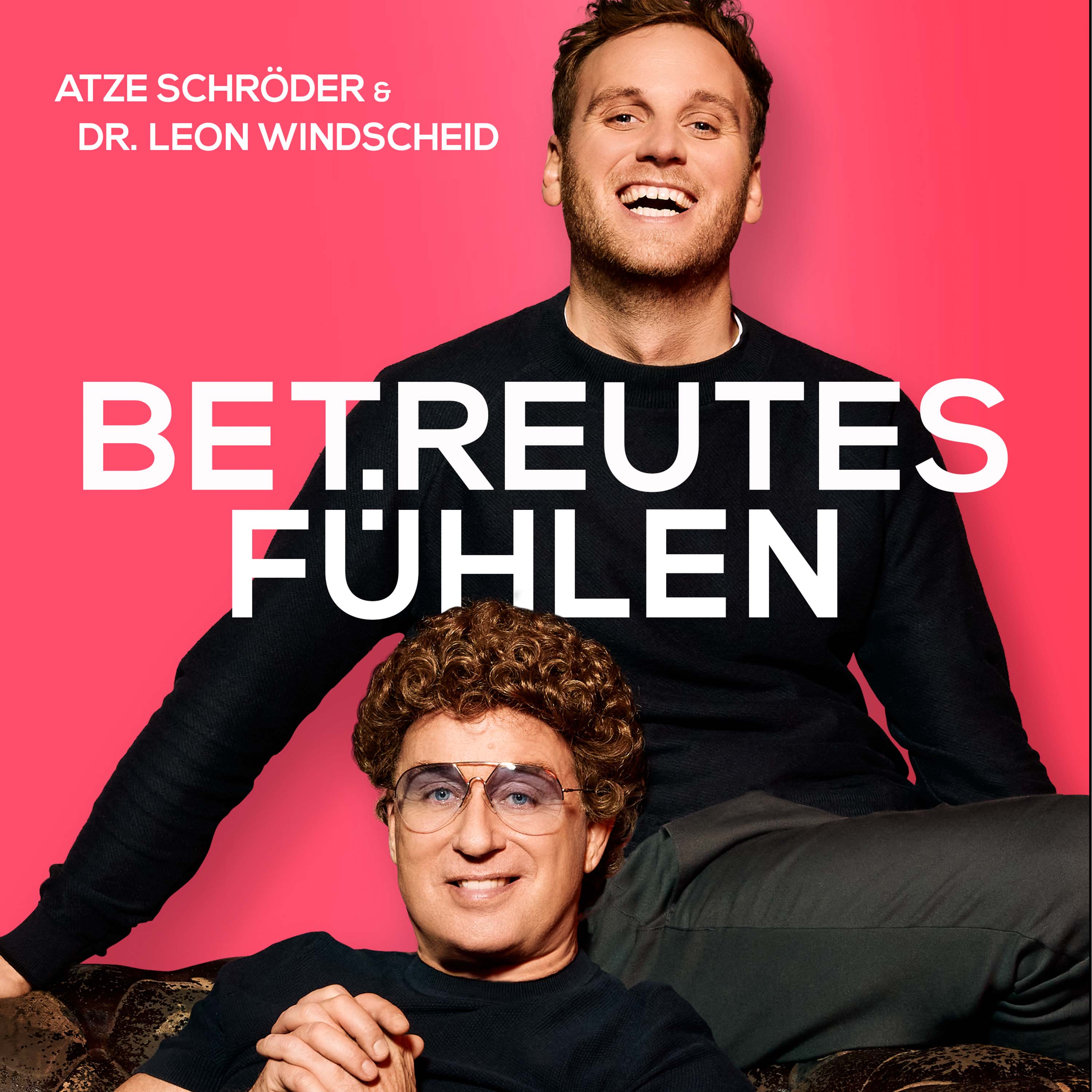
Ich will, dass du mich magst
Betreutes Fühlen
Kontakt & Links
Tickets
Werbepartner
Mehr zu unseren Werbepartnern findet ihr hier: linktr.ee/betreutesfuehlen
Quellen
Hauptreview
Flykt, A., Hörlin, T., Linder, F., Wennstig, A. K., Sayeler, G., Hess, U., & Bänziger, T. (2021). Exploring emotion recognition and the understanding of others' unspoken thoughts and feelings when narrating self-experienced emotional events. Journal of Nonverbal Behavior, 45(1), 67-81. doi.org/10.1007/s10919-020-00340-4
Weitere Studien
Ickes, W., Stinson, L., Bissonnette, V., & Garcia, S. (1990). Naturalistic social cognition: Empathic accuracy in mixed-sex dyads. Journal of personality and social psychology, 59(4), 730. psycnet.apa.org/doi/10.1037/0022-3514...
Sels, L., Ickes, W., Hinnekens, C., Ceulemans, E., & Verhofstadt, L. (2021). Expressing thoughts and feelings leads to greater empathic accuracy during relationship conflict. Journal of Family Psychology, 35(8), 1199. psycnet.apa.org/doi/10.1037/fam0000871
Berlamont, L., Hodges, S., Sels, L., Ceulemans, E., Ickes, W., Hinnekens, C., & Verhofstadt, L. (2023). Motivation and empathic accuracy during conflict interactions in couples: it's complicated!. Motivation and Emotion, 47(2), 208-228. doi.org/10.1007/s11031-022-09982-x
Ickes, W. (2016). Empathic accuracy: Judging thoughts and feelings. psycnet.apa.org/doi/10.1017/CBO978131...
Gilovich, T., Medvec, V. H., & Savitsky, K. (2000). The spotlight effect in social judgment: an egocentric bias in estimates of the salience of one's own actions and appearance. Journal of personality and social psychology, 78(2), 211. doi.org/0.1037//0022-3514.78.2.211
Vorauer, J. D., & Sucharyna, T. A. (2013). Potential negative effects of perspective-taking efforts in the context of close relationships: Increased bias and reduced satisfaction. Journal of personality and social psychology, 104(1), 70. doi.org/10.1037/a0030184
Gilovich T, Kruger J, Savitsky K. 1999. Everyday egocentrism and everyday interpersonal problems. In The Social Psychology of Emotional and Behavioral Problems: Interfaces of Social and Clinical Psychology, ed. RM Kowalski, MR Leary, pp. 69–95. Washington, DC: Am. Psychol. Assoc.
Bond Jr, C. F., & DePaulo, B. M. (2008). Individual differences in judging deception: accuracy and bias. Psychological bulletin, 134(4), 477. doi.org/0.1037/0033-2909.134.4.477
Gilovich, T., Savitsky, K., & Medvec, V. H. (1998). The illusion of transparency: biased assessments of others' ability to read one's emotional states. Journal of personality and social psychology, 75(2), 332. doi.org/10.1037//0022-3514.75.2.332
Vorauer, J. D., Cameron, J. J., Holmes, J. G., & Pearce, D. G. (2003). Invisible overtures: Fears of rejection and the signal amplification bias. Journal of Personality and Social Psychology, 84(4), 793. psycnet.apa.org/doi/10.1037/0022-3514...
Miller DT, McFarland C. 1991. When social comparison goes awry: the case of pluralistic ignorance. In Social Comparison: Contemporary Theory and Research, ed. J Suls, TA Wills, pp. 287–313. Hillsdale, NJ: Lawrence Erlbaum
Boothby, E. J., Cooney, G., Sandstrom, G. M., & Clark, M. S. (2018). The liking gap in conversations: Do people like us more than we think?. Psychological science, 29(11), 1742-1756. doi.org/10.1177/0956797618783714
Elsaadawy, N., & Carlson, E. N. (2022). Do you make a better or worse impression than you think?. Journal of Personality and Social Psychology, 123(6), 1407. doi.org/10.1037/pspp0000434
Mastroianni, A. M., Cooney, G., Boothby, E. J., & Reece, A. G. (2021). The liking gap in groups and teams. Organizational Behavior and Human Decision Processes, 162, 109-122. doi.org/10.1016/j.obhdp.2020.10.013
Oviedo, V. Y., Guydish, A. J., & Tree, J. E. F. (2025). The liking gap online: People like us more than we think. Computers in Human Behavior Reports, 17, 100582. doi.org/10.1016/j.chbr.2024.100582
Carlson, E. N. (2016). Do psychologically adjusted individuals know what other people really think about them? The link between psychological adjustment and meta-accuracy. Social Psychological and Personality Science, 7(7), 717-725.
Klumb, P. L., Wicki, C., & Rauers, A. (2019). Physicians' Interactions with Peers: Empathic Accuracy during Shift Handovers on Intensive‐Care Units. Applied Psychology: Health and Well‐Being, 11(1), 102-125. doi.org/10.1111/aphw.12146
Schweinle, W. E., & Ickes, W. (2007). The role of men's critical/rejecting overattribution bias, affect, and attentional disengagement in marital aggression. Journal of Social and Clinical Psychology, 26(2), 173-198. doi.org/10.1521/jscp.2007.26.2.173
Redaktion: Julia Ditzer Produktion: Murmel Productions
Raw Description
Betreutes Fühlen <p>Warum willst Du von allen gemocht werden? Du magst doch auch nicht alle. Sagt sich leicht, aber so viele von uns sind People-Pleaser. So vielen von uns ist es so wichtig, was andere von uns denken. Dabei schätzen wir unsere Wirkung auf andere oft völlig falsch ein und machen uns zu viel Druck. Atze und Leon klären, wie das gelassener geht.</p> <p>Fühlt euch gut betreut</p> <p>Leon & Atze</p> <p>Instagram: <a href="https://www.instagram.com/leonwindscheid/">https://www.instagram.com/leonwindscheid/</a> <a href="https://www.instagram.com/atzeschroeder_offiziell/">https://www.instagram.com/atzeschroeder_offiziell/</a></p> <p>Mehr zu unseren Werbepartnern findet ihr hier: <a href="https://linktr.ee/betreutesfuehlen">https://linktr.ee/betreutesfuehlen</a></p> <p>Tickets: Atze: <a href="https://www.atzeschroeder.de/#termine">https://www.atzeschroeder.de/#termine</a> Leon: <a href="https://leonwindscheid.de/tour/">https://leonwindscheid.de/tour/</a></p> <p>VVK Münster 2025: <a href="https://betreutes-fuehlen.ticket.io/">https://betreutes-fuehlen.ticket.io/</a></p> <p>Quellen:</p> <p>Das Hauptreview, auf das wir uns in der Folge beziehen: Flykt, A., Hörlin, T., Linder, F., Wennstig, A. K., Sayeler, G., Hess, U., & Bänziger, T. (2021). Exploring emotion recognition and the understanding of others’ unspoken thoughts and feelings when narrating self-experienced emotional events. Journal of Nonverbal Behavior, 45(1), 67-81. <a href="https://doi.org/10.1007/s10919-020-00340-4">https://doi.org/10.1007/s10919-020-00340-4</a></p> <p>Weitere Studien: Ickes, W., Stinson, L., Bissonnette, V., & Garcia, S. (1990). Naturalistic social cognition: Empathic accuracy in mixed-sex dyads. Journal of personality and social psychology, 59(4), 730. <a href="https://psycnet.apa.org/doi/10.1037/0022-3514.59.4.730">https://psycnet.apa.org/doi/10.1037/0022-3514.59.4.730</a></p> <p>Sels, L., Ickes, W., Hinnekens, C., Ceulemans, E., & Verhofstadt, L. (2021). Expressing thoughts and feelings leads to greater empathic accuracy during relationship conflict. Journal of Family Psychology, 35(8), 1199. <a href="https://psycnet.apa.org/doi/10.1037/fam0000871">https://psycnet.apa.org/doi/10.1037/fam0000871</a></p> <p>Berlamont, L., Hodges, S., Sels, L., Ceulemans, E., Ickes, W., Hinnekens, C., & Verhofstadt, L. (2023). Motivation and empathic accuracy during conflict interactions in couples: it’s complicated!. Motivation and Emotion, 47(2), 208-228. <a href="https://doi.org/10.1007/s11031-022-09982-x">https://doi.org/10.1007/s11031-022-09982-x</a></p> <p>Ickes, W. (2016). Empathic accuracy: Judging thoughts and feelings. <a href="https://psycnet.apa.org/doi/10.1017/CBO9781316181959.003">https://psycnet.apa.org/doi/10.1017/CBO9781316181959.003</a></p> <p>Sels, L., Ickes, W., Hinnekens, C., Ceulemans, E., & Verhofstadt, L. (2021). Expressing thoughts and feelings leads to greater empathic accuracy during relationship conflict. Journal of Family Psychology, 35(8), 1199. <a href="https://psycnet.apa.org/doi/10.1037/fam0000871">https://psycnet.apa.org/doi/10.1037/fam0000871</a></p> <p>Gilovich, T., Medvec, V. H., & Savitsky, K. (2000). The spotlight effect in social judgment: an egocentric bias in estimates of the salience of one's own actions and appearance. Journal of personality and social psychology, 78(2), 211. <a href="https://doi.org/0.1037//0022-3514.78.2.211">https://doi.org/0.1037//0022-3514.78.2.211</a></p> <p>Vorauer, J. D., & Sucharyna, T. A. (2013). Potential negative effects of perspective-taking efforts in the context of close relationships: Increased bias and reduced satisfaction. Journal of personality and social psychology, 104(1), 70. <a href="https://doi.org/10.1037/a0030184">https://doi.org/10.1037/a0030184</a></p> <p>Gilovich T, Kruger J, Savitsky K. 1999. Everyday egocentrism and everyday interpersonal problems. In The Social Psychology of Emotional and Behavioral Problems: Interfaces of Social and Clinical Psychology, ed. RM Kowalski, MR Leary, pp. 69–95. Washington, DC: Am. Psychol. Assoc.</p> <p>Bond Jr, C. F., & DePaulo, B. M. (2008). Individual differences in judging deception: accuracy and bias. Psychological bulletin, 134(4), 477. <a href="https://doi.org/0.1037/0033-2909.134.4.477">https://doi.org/0.1037/0033-2909.134.4.477</a></p> <p>Gilovich, T., Savitsky, K., & Medvec, V. H. (1998). The illusion of transparency: biased assessments of others' ability to read one's emotional states. Journal of personality and social psychology, 75(2), 332. <a href="https://doi.org/10.1037//0022-3514.75.2.332">https://doi.org/10.1037//0022-3514.75.2.332</a></p> <p>Vorauer, J. D., Cameron, J. J., Holmes, J. G., & Pearce, D. G. (2003). Invisible overtures: Fears of rejection and the signal amplification bias. Journal of Personality and Social Psychology, 84(4), 793. <a href="https://psycnet.apa.org/doi/10.1037/0022-3514.84.4.793">https://psycnet.apa.org/doi/10.1037/0022-3514.84.4.793</a></p> <p>Miller DT, McFarland C. 1991. When social comparison goes awry: the case of pluralistic ignorance. In Social Comparison: Contemporary Theory and Research, ed. J Suls, TA Wills, pp. 287–313. Hillsdale, NJ: Lawrence Erlbaum</p> <p>Boothby, E. J., Cooney, G., Sandstrom, G. M., & Clark, M. S. (2018). The liking gap in conversations: Do people like us more than we think?. Psychological science, 29(11), 1742-1756. <a href="https://doi.org/10.1177/0956797618783714">https://doi.org/10.1177/0956797618783714</a> </p> <p>Elsaadawy, N., & Carlson, E. N. (2022). Do you make a better or worse impression than you think?. Journal of Personality and Social Psychology, 123(6), 1407. <a href="https://doi.org/10.1037/pspp0000434">https://doi.org/10.1037/pspp0000434</a> </p> <p>Mastroianni, A. M., Cooney, G., Boothby, E. J., & Reece, A. G. (2021). The liking gap in groups and teams. Organizational Behavior and Human Decision Processes, 162, 109-122. <a href="https://doi.org/10.1016/j.obhdp.2020.10.013">https://doi.org/10.1016/j.obhdp.2020.10.013</a> </p> <p>Oviedo, V. Y., Guydish, A. J., & Tree, J. E. F. (2025). The liking gap online: People like us more than we think. Computers in Human Behavior Reports, 17, 100582. <a href="https://doi.org/10.1016/j.chbr.2024.100582">https://doi.org/10.1016/j.chbr.2024.100582</a> </p> <p>Carlson, E. N. (2016). Do psychologically adjusted individuals know what other people really think about them? The link between psychological adjustment and meta-accuracy. Social Psychological and Personality Science, 7(7), 717-725.</p> <p>Klumb, P. L., Wicki, C., & Rauers, A. (2019). Physicians' Interactions with Peers: Empathic Accuracy during Shift Handovers on Intensive‐Care Units. Applied Psychology: Health and Well‐Being, 11(1), 102-125. <a href="https://doi.org/10.1111/aphw.12146">https://doi.org/10.1111/aphw.12146</a>.</p> <p>Schweinle, W. E., & Ickes, W. (2007). The role of men's critical/rejecting overattribution bias, affect, and attentional disengagement in marital aggression. Journal of Social and Clinical Psychology, 26(2), 173-198. <a href="https://doi.org/10.1521/jscp.2007.26.2.173">https://doi.org/10.1521/jscp.2007.26.2.173</a></p> <p>Redaktion Julia Ditzer Produktion: Murmel Productions</p>
Show Notes
Kontakt & Links
Tickets
Werbepartner
Mehr zu unseren Werbepartnern findet ihr hier: linktr.ee/betreutesfuehlen
Quellen
Hauptreview
Flykt, A., Hörlin, T., Linder, F., Wennstig, A. K., Sayeler, G., Hess, U., & Bänziger, T. (2021). Exploring emotion recognition and the understanding of others' unspoken thoughts and feelings when narrating self-experienced emotional events. Journal of Nonverbal Behavior, 45(1), 67-81. doi.org/10.1007/s10919-020-00340-4
Weitere Studien
Ickes, W., Stinson, L., Bissonnette, V., & Garcia, S. (1990). Naturalistic social cognition: Empathic accuracy in mixed-sex dyads. Journal of personality and social psychology, 59(4), 730. psycnet.apa.org/doi/10.1037/0022-3514...
Sels, L., Ickes, W., Hinnekens, C., Ceulemans, E., & Verhofstadt, L. (2021). Expressing thoughts and feelings leads to greater empathic accuracy during relationship conflict. Journal of Family Psychology, 35(8), 1199. psycnet.apa.org/doi/10.1037/fam0000871
Berlamont, L., Hodges, S., Sels, L., Ceulemans, E., Ickes, W., Hinnekens, C., & Verhofstadt, L. (2023). Motivation and empathic accuracy during conflict interactions in couples: it's complicated!. Motivation and Emotion, 47(2), 208-228. doi.org/10.1007/s11031-022-09982-x
Ickes, W. (2016). Empathic accuracy: Judging thoughts and feelings. psycnet.apa.org/doi/10.1017/CBO978131...
Gilovich, T., Medvec, V. H., & Savitsky, K. (2000). The spotlight effect in social judgment: an egocentric bias in estimates of the salience of one's own actions and appearance. Journal of personality and social psychology, 78(2), 211. doi.org/0.1037//0022-3514.78.2.211
Vorauer, J. D., & Sucharyna, T. A. (2013). Potential negative effects of perspective-taking efforts in the context of close relationships: Increased bias and reduced satisfaction. Journal of personality and social psychology, 104(1), 70. doi.org/10.1037/a0030184
Gilovich T, Kruger J, Savitsky K. 1999. Everyday egocentrism and everyday interpersonal problems. In The Social Psychology of Emotional and Behavioral Problems: Interfaces of Social and Clinical Psychology, ed. RM Kowalski, MR Leary, pp. 69–95. Washington, DC: Am. Psychol. Assoc.
Bond Jr, C. F., & DePaulo, B. M. (2008). Individual differences in judging deception: accuracy and bias. Psychological bulletin, 134(4), 477. doi.org/0.1037/0033-2909.134.4.477
Gilovich, T., Savitsky, K., & Medvec, V. H. (1998). The illusion of transparency: biased assessments of others' ability to read one's emotional states. Journal of personality and social psychology, 75(2), 332. doi.org/10.1037//0022-3514.75.2.332
Vorauer, J. D., Cameron, J. J., Holmes, J. G., & Pearce, D. G. (2003). Invisible overtures: Fears of rejection and the signal amplification bias. Journal of Personality and Social Psychology, 84(4), 793. psycnet.apa.org/doi/10.1037/0022-3514...
Miller DT, McFarland C. 1991. When social comparison goes awry: the case of pluralistic ignorance. In Social Comparison: Contemporary Theory and Research, ed. J Suls, TA Wills, pp. 287–313. Hillsdale, NJ: Lawrence Erlbaum
Boothby, E. J., Cooney, G., Sandstrom, G. M., & Clark, M. S. (2018). The liking gap in conversations: Do people like us more than we think?. Psychological science, 29(11), 1742-1756. doi.org/10.1177/0956797618783714
Elsaadawy, N., & Carlson, E. N. (2022). Do you make a better or worse impression than you think?. Journal of Personality and Social Psychology, 123(6), 1407. doi.org/10.1037/pspp0000434
Mastroianni, A. M., Cooney, G., Boothby, E. J., & Reece, A. G. (2021). The liking gap in groups and teams. Organizational Behavior and Human Decision Processes, 162, 109-122. doi.org/10.1016/j.obhdp.2020.10.013
Oviedo, V. Y., Guydish, A. J., & Tree, J. E. F. (2025). The liking gap online: People like us more than we think. Computers in Human Behavior Reports, 17, 100582. doi.org/10.1016/j.chbr.2024.100582
Carlson, E. N. (2016). Do psychologically adjusted individuals know what other people really think about them? The link between psychological adjustment and meta-accuracy. Social Psychological and Personality Science, 7(7), 717-725.
Klumb, P. L., Wicki, C., & Rauers, A. (2019). Physicians' Interactions with Peers: Empathic Accuracy during Shift Handovers on Intensive‐Care Units. Applied Psychology: Health and Well‐Being, 11(1), 102-125. doi.org/10.1111/aphw.12146
Schweinle, W. E., & Ickes, W. (2007). The role of men's critical/rejecting overattribution bias, affect, and attentional disengagement in marital aggression. Journal of Social and Clinical Psychology, 26(2), 173-198. doi.org/10.1521/jscp.2007.26.2.173
Redaktion: Julia Ditzer Produktion: Murmel Productions
Raw Description
Betreutes Fühlen <p>Warum willst Du von allen gemocht werden? Du magst doch auch nicht alle. Sagt sich leicht, aber so viele von uns sind People-Pleaser. So vielen von uns ist es so wichtig, was andere von uns denken. Dabei schätzen wir unsere Wirkung auf andere oft völlig falsch ein und machen uns zu viel Druck. Atze und Leon klären, wie das gelassener geht.</p> <p>Fühlt euch gut betreut</p> <p>Leon & Atze</p> <p>Instagram: <a href="https://www.instagram.com/leonwindscheid/">https://www.instagram.com/leonwindscheid/</a> <a href="https://www.instagram.com/atzeschroeder_offiziell/">https://www.instagram.com/atzeschroeder_offiziell/</a></p> <p>Mehr zu unseren Werbepartnern findet ihr hier: <a href="https://linktr.ee/betreutesfuehlen">https://linktr.ee/betreutesfuehlen</a></p> <p>Tickets: Atze: <a href="https://www.atzeschroeder.de/#termine">https://www.atzeschroeder.de/#termine</a> Leon: <a href="https://leonwindscheid.de/tour/">https://leonwindscheid.de/tour/</a></p> <p>VVK Münster 2025: <a href="https://betreutes-fuehlen.ticket.io/">https://betreutes-fuehlen.ticket.io/</a></p> <p>Quellen:</p> <p>Das Hauptreview, auf das wir uns in der Folge beziehen: Flykt, A., Hörlin, T., Linder, F., Wennstig, A. K., Sayeler, G., Hess, U., & Bänziger, T. (2021). Exploring emotion recognition and the understanding of others’ unspoken thoughts and feelings when narrating self-experienced emotional events. Journal of Nonverbal Behavior, 45(1), 67-81. <a href="https://doi.org/10.1007/s10919-020-00340-4">https://doi.org/10.1007/s10919-020-00340-4</a></p> <p>Weitere Studien: Ickes, W., Stinson, L., Bissonnette, V., & Garcia, S. (1990). Naturalistic social cognition: Empathic accuracy in mixed-sex dyads. Journal of personality and social psychology, 59(4), 730. <a href="https://psycnet.apa.org/doi/10.1037/0022-3514.59.4.730">https://psycnet.apa.org/doi/10.1037/0022-3514.59.4.730</a></p> <p>Sels, L., Ickes, W., Hinnekens, C., Ceulemans, E., & Verhofstadt, L. (2021). Expressing thoughts and feelings leads to greater empathic accuracy during relationship conflict. Journal of Family Psychology, 35(8), 1199. <a href="https://psycnet.apa.org/doi/10.1037/fam0000871">https://psycnet.apa.org/doi/10.1037/fam0000871</a></p> <p>Berlamont, L., Hodges, S., Sels, L., Ceulemans, E., Ickes, W., Hinnekens, C., & Verhofstadt, L. (2023). Motivation and empathic accuracy during conflict interactions in couples: it’s complicated!. Motivation and Emotion, 47(2), 208-228. <a href="https://doi.org/10.1007/s11031-022-09982-x">https://doi.org/10.1007/s11031-022-09982-x</a></p> <p>Ickes, W. (2016). Empathic accuracy: Judging thoughts and feelings. <a href="https://psycnet.apa.org/doi/10.1017/CBO9781316181959.003">https://psycnet.apa.org/doi/10.1017/CBO9781316181959.003</a></p> <p>Sels, L., Ickes, W., Hinnekens, C., Ceulemans, E., & Verhofstadt, L. (2021). Expressing thoughts and feelings leads to greater empathic accuracy during relationship conflict. Journal of Family Psychology, 35(8), 1199. <a href="https://psycnet.apa.org/doi/10.1037/fam0000871">https://psycnet.apa.org/doi/10.1037/fam0000871</a></p> <p>Gilovich, T., Medvec, V. H., & Savitsky, K. (2000). The spotlight effect in social judgment: an egocentric bias in estimates of the salience of one's own actions and appearance. Journal of personality and social psychology, 78(2), 211. <a href="https://doi.org/0.1037//0022-3514.78.2.211">https://doi.org/0.1037//0022-3514.78.2.211</a></p> <p>Vorauer, J. D., & Sucharyna, T. A. (2013). Potential negative effects of perspective-taking efforts in the context of close relationships: Increased bias and reduced satisfaction. Journal of personality and social psychology, 104(1), 70. <a href="https://doi.org/10.1037/a0030184">https://doi.org/10.1037/a0030184</a></p> <p>Gilovich T, Kruger J, Savitsky K. 1999. Everyday egocentrism and everyday interpersonal problems. In The Social Psychology of Emotional and Behavioral Problems: Interfaces of Social and Clinical Psychology, ed. RM Kowalski, MR Leary, pp. 69–95. Washington, DC: Am. Psychol. Assoc.</p> <p>Bond Jr, C. F., & DePaulo, B. M. (2008). Individual differences in judging deception: accuracy and bias. Psychological bulletin, 134(4), 477. <a href="https://doi.org/0.1037/0033-2909.134.4.477">https://doi.org/0.1037/0033-2909.134.4.477</a></p> <p>Gilovich, T., Savitsky, K., & Medvec, V. H. (1998). The illusion of transparency: biased assessments of others' ability to read one's emotional states. Journal of personality and social psychology, 75(2), 332. <a href="https://doi.org/10.1037//0022-3514.75.2.332">https://doi.org/10.1037//0022-3514.75.2.332</a></p> <p>Vorauer, J. D., Cameron, J. J., Holmes, J. G., & Pearce, D. G. (2003). Invisible overtures: Fears of rejection and the signal amplification bias. Journal of Personality and Social Psychology, 84(4), 793. <a href="https://psycnet.apa.org/doi/10.1037/0022-3514.84.4.793">https://psycnet.apa.org/doi/10.1037/0022-3514.84.4.793</a></p> <p>Miller DT, McFarland C. 1991. When social comparison goes awry: the case of pluralistic ignorance. In Social Comparison: Contemporary Theory and Research, ed. J Suls, TA Wills, pp. 287–313. Hillsdale, NJ: Lawrence Erlbaum</p> <p>Boothby, E. J., Cooney, G., Sandstrom, G. M., & Clark, M. S. (2018). The liking gap in conversations: Do people like us more than we think?. Psychological science, 29(11), 1742-1756. <a href="https://doi.org/10.1177/0956797618783714">https://doi.org/10.1177/0956797618783714</a> </p> <p>Elsaadawy, N., & Carlson, E. N. (2022). Do you make a better or worse impression than you think?. Journal of Personality and Social Psychology, 123(6), 1407. <a href="https://doi.org/10.1037/pspp0000434">https://doi.org/10.1037/pspp0000434</a> </p> <p>Mastroianni, A. M., Cooney, G., Boothby, E. J., & Reece, A. G. (2021). The liking gap in groups and teams. Organizational Behavior and Human Decision Processes, 162, 109-122. <a href="https://doi.org/10.1016/j.obhdp.2020.10.013">https://doi.org/10.1016/j.obhdp.2020.10.013</a> </p> <p>Oviedo, V. Y., Guydish, A. J., & Tree, J. E. F. (2025). The liking gap online: People like us more than we think. Computers in Human Behavior Reports, 17, 100582. <a href="https://doi.org/10.1016/j.chbr.2024.100582">https://doi.org/10.1016/j.chbr.2024.100582</a> </p> <p>Carlson, E. N. (2016). Do psychologically adjusted individuals know what other people really think about them? The link between psychological adjustment and meta-accuracy. Social Psychological and Personality Science, 7(7), 717-725.</p> <p>Klumb, P. L., Wicki, C., & Rauers, A. (2019). Physicians' Interactions with Peers: Empathic Accuracy during Shift Handovers on Intensive‐Care Units. Applied Psychology: Health and Well‐Being, 11(1), 102-125. <a href="https://doi.org/10.1111/aphw.12146">https://doi.org/10.1111/aphw.12146</a>.</p> <p>Schweinle, W. E., & Ickes, W. (2007). The role of men's critical/rejecting overattribution bias, affect, and attentional disengagement in marital aggression. Journal of Social and Clinical Psychology, 26(2), 173-198. <a href="https://doi.org/10.1521/jscp.2007.26.2.173">https://doi.org/10.1521/jscp.2007.26.2.173</a></p> <p>Redaktion Julia Ditzer Produktion: Murmel Productions</p>