Neo Emotionen neue Gefühle für unseren Kopf
Betreutes Fühlen
Betreutes Fühlen
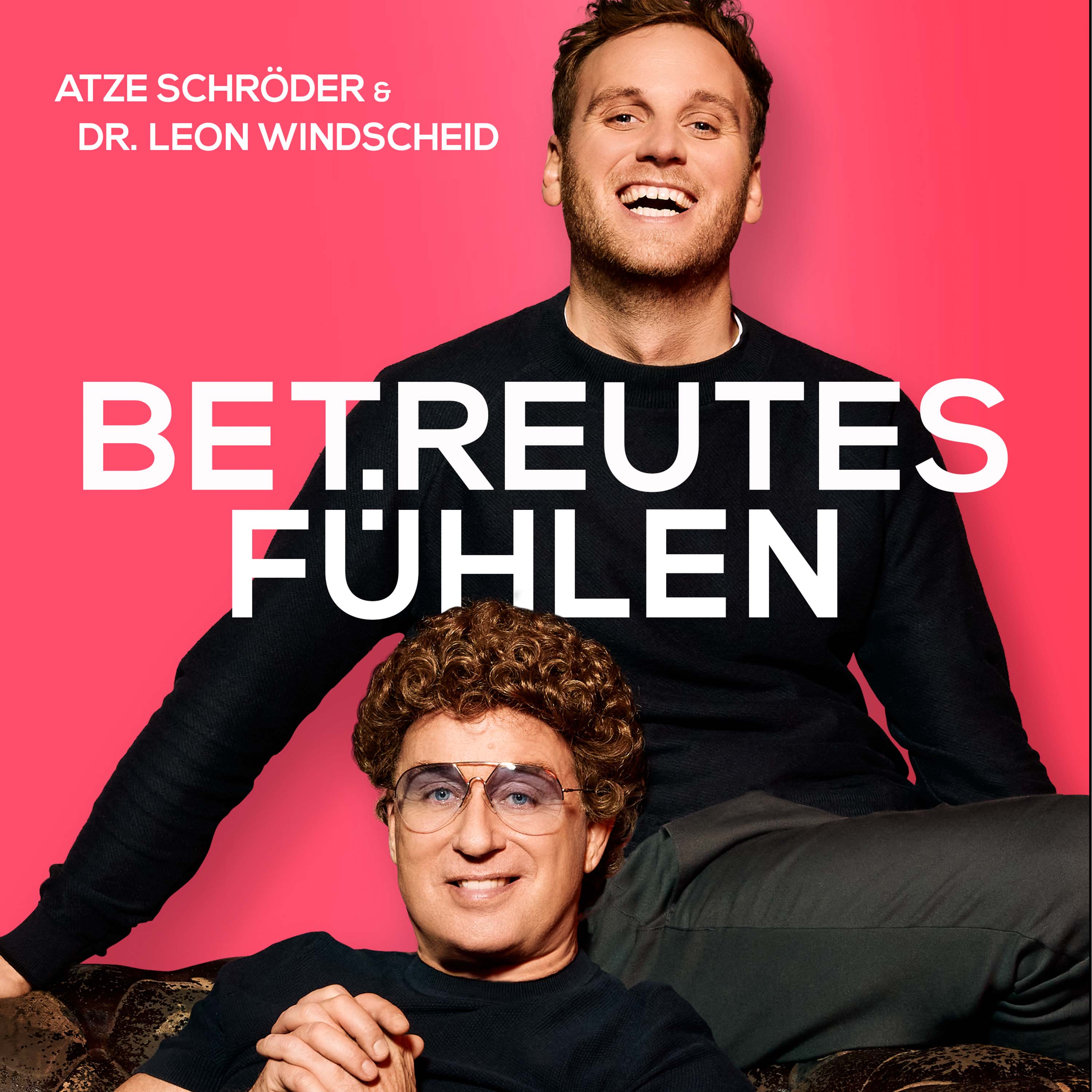
In dieser Folge von Betreutes Fühlen sprechen Leon und Atze über ganz neue Gefühle und die Frage, was diese uns bringen. Von Nostalgie als tödlicher Krankheit bis zu Doomscrolling, Ökoangst und Impostor-Syndrom: Wir schauen, was Emotionshistoriker:innen über emotionale Trends sagen – und warum Begriffe mehr tun, als nur zu beschreiben. Warum hilft es, Gefühle feiner zu benennen? Und wo brauchen wir Kritik an einer übertherapeutisierten Gefühlskultur?
Fühlt euch gut betreut
Leon & Atze
Instagram: @leonwindscheid @atzeschroeder_offiziell
Mehr zu unseren Werbepartnern findet ihr hier: linktr.ee/betreutesfuehlen
Tickets: Atze: atzeschroeder.de/#termine
Leon: leonwindscheid.de/tour
Vorverkauf 2026: betreutes-fuehlen.ticket.io
Quellen
Barclay, K. (2025). Imagining neo-emotions: Historical perspectives. Emotion Review. doi.org/10.1177/17540739251359945
Barclay, K. (2025). Loneliness in world history. Routledge.
Bound Alberti, F. (2019). A biography of loneliness: The history of emotions. Oxford University Press.
Cottingham, M. (2023). Neo-emotions: An interdisciplinary research agenda. Emotion Review, 16(1), 5–15. doi.org/10.1177/17540739231198636
Deutschlandfunk Kultur. (o. J.). Gefühle, Emotionen, Millennials: Gefühligkeit und Sprache. deutschlandfunkkultur.de/gefuehle-emo...
Dodman, T. (2018). What nostalgia was: War, empire, and the time of a deadly emotion. University of Chicago Press.
Hardy, S. (o. J.). Invent your own emotion. Conflict Management Academy. conflictmanagementacademy.com/invent-...
Ip, K. I., Yu, K., & Gendron, M. (2024). Emotion granularity, regulation, and their implications in health: Broadening the scope from a cultural and developmental perspective. Emotion Review, 16(4), 224–237. doi.org/10.1177/17540739231214564
Matt, S. J. (2011). Homesickness: An American history. Oxford University Press.
Sapolsky, R. M. (2023). Determined: A science of life without free will. Penguin Press.
Smidt, K. E., & Suvak, M. K. (2015). A brief, but nuanced, review of emotional granularity and emotion differentiation research. Current Opinion in Psychology, 3, 48–51. doi.org/10.1016/j.copsyc.2015.02.007
The Courier-Journal. (1936, June). [Article on the public execution of Rainey Bethea]. newspapers.com/article/the-courier-jo...
Empfehlungen
TEDTalk von Lisa Feldman Barrett: You aren't at the mercy of your emotions -- your brain creates them. https://www.ted.com/talks/lisafeldmanbarrettyouarentatthemercyofyouremotionsyourbraincreates_them
Das Buch mit der kritischen Betrachtung des Falls von Rainey Bethea, wird hier besprochen, wer tiefer einsteigen will: npr.org/2025/12/07/nx-s1-5585009/a-ne...
Redaktion: Julia Ditzer
Produktion: Murmel Produktions
Raw Description
Betreutes Fühlen <p>In dieser Folge von Betreutes Fühlen sprechen Leon und Atze über ganz neue Gefühle und die Frage, was diese uns bringen. Von Nostalgie als tödlicher Krankheit bis zu Doomscrolling, Ökoangst und Impostor-Syndrom: Wir schauen, was Emotionshistoriker:innen über emotionale Trends sagen – und warum Begriffe mehr tun, als nur zu beschreiben. Warum hilft es, Gefühle feiner zu benennen? Und wo brauchen wir Kritik an einer übertherapeutisierten Gefühlskultur?</p> <p>Fühlt euch gut betreut</p> <p>Leon & Atze</p> <p>Instagram: <a href="https://www.instagram.com/leonwindscheid/">https://www.instagram.com/leonwindscheid/</a> <a href="https://www.instagram.com/atzeschroeder_offiziell/">https://www.instagram.com/atzeschroeder_offiziell/</a></p> <p>Mehr zu unseren Werbepartnern findet ihr hier: <a href="https://linktr.ee/betreutesfuehlen">https://linktr.ee/betreutesfuehlen</a></p> <p>Tickets: Atze: <a href="https://www.atzeschroeder.de/#termine">https://www.atzeschroeder.de/#termine</a></p> <p>Leon: <a href="https://leonwindscheid.de/tour/">https://leonwindscheid.de/tour/</a></p> <p>Vorverkauf 2026: <a href="https://betreutes-fuehlen.ticket.io/">https://betreutes-fuehlen.ticket.io/</a></p> <p>Quellen</p> <p>Barclay, K. (2025). Imagining neo-emotions: Historical perspectives. Emotion Review. <a href="https://doi.org/10.1177/17540739251359945">https://doi.org/10.1177/17540739251359945</a></p> <p>Barclay, K. (2025). Loneliness in world history. Routledge.</p> <p>Bound Alberti, F. (2019). A biography of loneliness: The history of emotions. Oxford University Press.</p> <p>Cottingham, M. (2023). Neo-emotions: An interdisciplinary research agenda. Emotion Review, 16(1), 5–15. <a href="https://doi.org/10.1177/17540739231198636">https://doi.org/10.1177/17540739231198636</a></p> <p>Deutschlandfunk Kultur. (o. J.). Gefühle, Emotionen, Millennials: Gefühligkeit und Sprache. <a href="https://www.deutschlandfunkkultur.de/gefuehle-emotionen-millenials-gefuehligkeit-sprache-100.html">https://www.deutschlandfunkkultur.de/gefuehle-emotionen-millenials-gefuehligkeit-sprache-100.html</a></p> <p>Dodman, T. (2018). What nostalgia was: War, empire, and the time of a deadly emotion. University of Chicago Press.</p> <p>Hardy, S. (o. J.). Invent your own emotion. Conflict Management Academy. <a href="https://conflictmanagementacademy.com/invent-your-own-emotion/">https://conflictmanagementacademy.com/invent-your-own-emotion/</a></p> <p>Ip, K. I., Yu, K., & Gendron, M. (2024). Emotion granularity, regulation, and their implications in health: Broadening the scope from a cultural and developmental perspective. Emotion Review, 16(4), 224–237. <a href="https://doi.org/10.1177/17540739231214564">https://doi.org/10.1177/17540739231214564</a></p> <p>Matt, S. J. (2011). Homesickness: An American history. Oxford University Press.</p> <p>Sapolsky, R. M. (2023). Determined: A science of life without free will. Penguin Press.</p> <p>Smidt, K. E., & Suvak, M. K. (2015). A brief, but nuanced, review of emotional granularity and emotion differentiation research. Current Opinion in Psychology, 3, 48–51. <a href="https://doi.org/10.1016/j.copsyc.2015.02.007">https://doi.org/10.1016/j.copsyc.2015.02.007</a></p> <p>The Courier-Journal. (1936, June). [Article on the public execution of Rainey Bethea]. <a href="https://www.newspapers.com/article/the-courier-journal/10474113/">https://www.newspapers.com/article/the-courier-journal/10474113/</a></p> <p>Empfehlungen</p> <p>TEDTalk von Lisa Feldman Barrett: You aren't at the mercy of your emotions -- your brain creates them. <a href="https://www.ted.com/talks/lisa_feldman_barrett_you_aren_t_at_the_mercy_of_your_emotions_your_brain_creates_them">https://www.ted.com/talks/lisa<em>feldman</em>barrett<em>you</em>aren<em>t</em>at<em>the</em>mercy<em>of</em>your<em>emotions</em>your<em>brain</em>creates_them</a></p> <p>Das Buch mit der kritischen Betrachtung des Falls von Rainey Bethea, wird hier besprochen, wer tiefer einsteigen will: <a href="https://www.npr.org/2025/12/07/nx-s1-5585009/a-new-book-returns-to-americas-final-public-hanging">https://www.npr.org/2025/12/07/nx-s1-5585009/a-new-book-returns-to-americas-final-public-hanging</a></p> <p>Redaktion: Julia Ditzer</p> <p>Produktion: Murmel Produktions</p>
Show Notes
Betreutes Fühlen
In dieser Folge von Betreutes Fühlen sprechen Leon und Atze über ganz neue Gefühle und die Frage, was diese uns bringen. Von Nostalgie als tödlicher Krankheit bis zu Doomscrolling, Ökoangst und Impostor-Syndrom: Wir schauen, was Emotionshistoriker:innen über emotionale Trends sagen – und warum Begriffe mehr tun, als nur zu beschreiben. Warum hilft es, Gefühle feiner zu benennen? Und wo brauchen wir Kritik an einer übertherapeutisierten Gefühlskultur?
Fühlt euch gut betreut
Leon & Atze
Instagram: @leonwindscheid @atzeschroeder_offiziell
Mehr zu unseren Werbepartnern findet ihr hier: linktr.ee/betreutesfuehlen
Tickets: Atze: atzeschroeder.de/#termine
Leon: leonwindscheid.de/tour
Vorverkauf 2026: betreutes-fuehlen.ticket.io
Quellen
Barclay, K. (2025). Imagining neo-emotions: Historical perspectives. Emotion Review. doi.org/10.1177/17540739251359945
Barclay, K. (2025). Loneliness in world history. Routledge.
Bound Alberti, F. (2019). A biography of loneliness: The history of emotions. Oxford University Press.
Cottingham, M. (2023). Neo-emotions: An interdisciplinary research agenda. Emotion Review, 16(1), 5–15. doi.org/10.1177/17540739231198636
Deutschlandfunk Kultur. (o. J.). Gefühle, Emotionen, Millennials: Gefühligkeit und Sprache. deutschlandfunkkultur.de/gefuehle-emo...
Dodman, T. (2018). What nostalgia was: War, empire, and the time of a deadly emotion. University of Chicago Press.
Hardy, S. (o. J.). Invent your own emotion. Conflict Management Academy. conflictmanagementacademy.com/invent-...
Ip, K. I., Yu, K., & Gendron, M. (2024). Emotion granularity, regulation, and their implications in health: Broadening the scope from a cultural and developmental perspective. Emotion Review, 16(4), 224–237. doi.org/10.1177/17540739231214564
Matt, S. J. (2011). Homesickness: An American history. Oxford University Press.
Sapolsky, R. M. (2023). Determined: A science of life without free will. Penguin Press.
Smidt, K. E., & Suvak, M. K. (2015). A brief, but nuanced, review of emotional granularity and emotion differentiation research. Current Opinion in Psychology, 3, 48–51. doi.org/10.1016/j.copsyc.2015.02.007
The Courier-Journal. (1936, June). [Article on the public execution of Rainey Bethea]. newspapers.com/article/the-courier-jo...
Empfehlungen
TEDTalk von Lisa Feldman Barrett: You aren't at the mercy of your emotions -- your brain creates them. https://www.ted.com/talks/lisafeldmanbarrettyouarentatthemercyofyouremotionsyourbraincreates_them
Das Buch mit der kritischen Betrachtung des Falls von Rainey Bethea, wird hier besprochen, wer tiefer einsteigen will: npr.org/2025/12/07/nx-s1-5585009/a-ne...
Redaktion: Julia Ditzer
Produktion: Murmel Produktions
Raw Description
Betreutes Fühlen <p>In dieser Folge von Betreutes Fühlen sprechen Leon und Atze über ganz neue Gefühle und die Frage, was diese uns bringen. Von Nostalgie als tödlicher Krankheit bis zu Doomscrolling, Ökoangst und Impostor-Syndrom: Wir schauen, was Emotionshistoriker:innen über emotionale Trends sagen – und warum Begriffe mehr tun, als nur zu beschreiben. Warum hilft es, Gefühle feiner zu benennen? Und wo brauchen wir Kritik an einer übertherapeutisierten Gefühlskultur?</p> <p>Fühlt euch gut betreut</p> <p>Leon & Atze</p> <p>Instagram: <a href="https://www.instagram.com/leonwindscheid/">https://www.instagram.com/leonwindscheid/</a> <a href="https://www.instagram.com/atzeschroeder_offiziell/">https://www.instagram.com/atzeschroeder_offiziell/</a></p> <p>Mehr zu unseren Werbepartnern findet ihr hier: <a href="https://linktr.ee/betreutesfuehlen">https://linktr.ee/betreutesfuehlen</a></p> <p>Tickets: Atze: <a href="https://www.atzeschroeder.de/#termine">https://www.atzeschroeder.de/#termine</a></p> <p>Leon: <a href="https://leonwindscheid.de/tour/">https://leonwindscheid.de/tour/</a></p> <p>Vorverkauf 2026: <a href="https://betreutes-fuehlen.ticket.io/">https://betreutes-fuehlen.ticket.io/</a></p> <p>Quellen</p> <p>Barclay, K. (2025). Imagining neo-emotions: Historical perspectives. Emotion Review. <a href="https://doi.org/10.1177/17540739251359945">https://doi.org/10.1177/17540739251359945</a></p> <p>Barclay, K. (2025). Loneliness in world history. Routledge.</p> <p>Bound Alberti, F. (2019). A biography of loneliness: The history of emotions. Oxford University Press.</p> <p>Cottingham, M. (2023). Neo-emotions: An interdisciplinary research agenda. Emotion Review, 16(1), 5–15. <a href="https://doi.org/10.1177/17540739231198636">https://doi.org/10.1177/17540739231198636</a></p> <p>Deutschlandfunk Kultur. (o. J.). Gefühle, Emotionen, Millennials: Gefühligkeit und Sprache. <a href="https://www.deutschlandfunkkultur.de/gefuehle-emotionen-millenials-gefuehligkeit-sprache-100.html">https://www.deutschlandfunkkultur.de/gefuehle-emotionen-millenials-gefuehligkeit-sprache-100.html</a></p> <p>Dodman, T. (2018). What nostalgia was: War, empire, and the time of a deadly emotion. University of Chicago Press.</p> <p>Hardy, S. (o. J.). Invent your own emotion. Conflict Management Academy. <a href="https://conflictmanagementacademy.com/invent-your-own-emotion/">https://conflictmanagementacademy.com/invent-your-own-emotion/</a></p> <p>Ip, K. I., Yu, K., & Gendron, M. (2024). Emotion granularity, regulation, and their implications in health: Broadening the scope from a cultural and developmental perspective. Emotion Review, 16(4), 224–237. <a href="https://doi.org/10.1177/17540739231214564">https://doi.org/10.1177/17540739231214564</a></p> <p>Matt, S. J. (2011). Homesickness: An American history. Oxford University Press.</p> <p>Sapolsky, R. M. (2023). Determined: A science of life without free will. Penguin Press.</p> <p>Smidt, K. E., & Suvak, M. K. (2015). A brief, but nuanced, review of emotional granularity and emotion differentiation research. Current Opinion in Psychology, 3, 48–51. <a href="https://doi.org/10.1016/j.copsyc.2015.02.007">https://doi.org/10.1016/j.copsyc.2015.02.007</a></p> <p>The Courier-Journal. (1936, June). [Article on the public execution of Rainey Bethea]. <a href="https://www.newspapers.com/article/the-courier-journal/10474113/">https://www.newspapers.com/article/the-courier-journal/10474113/</a></p> <p>Empfehlungen</p> <p>TEDTalk von Lisa Feldman Barrett: You aren't at the mercy of your emotions -- your brain creates them. <a href="https://www.ted.com/talks/lisa_feldman_barrett_you_aren_t_at_the_mercy_of_your_emotions_your_brain_creates_them">https://www.ted.com/talks/lisa<em>feldman</em>barrett<em>you</em>aren<em>t</em>at<em>the</em>mercy<em>of</em>your<em>emotions</em>your<em>brain</em>creates_them</a></p> <p>Das Buch mit der kritischen Betrachtung des Falls von Rainey Bethea, wird hier besprochen, wer tiefer einsteigen will: <a href="https://www.npr.org/2025/12/07/nx-s1-5585009/a-new-book-returns-to-americas-final-public-hanging">https://www.npr.org/2025/12/07/nx-s1-5585009/a-new-book-returns-to-americas-final-public-hanging</a></p> <p>Redaktion: Julia Ditzer</p> <p>Produktion: Murmel Produktions</p>