The Science of Connection and Why We Underestimate Others | Nicholas Epley - EP 760
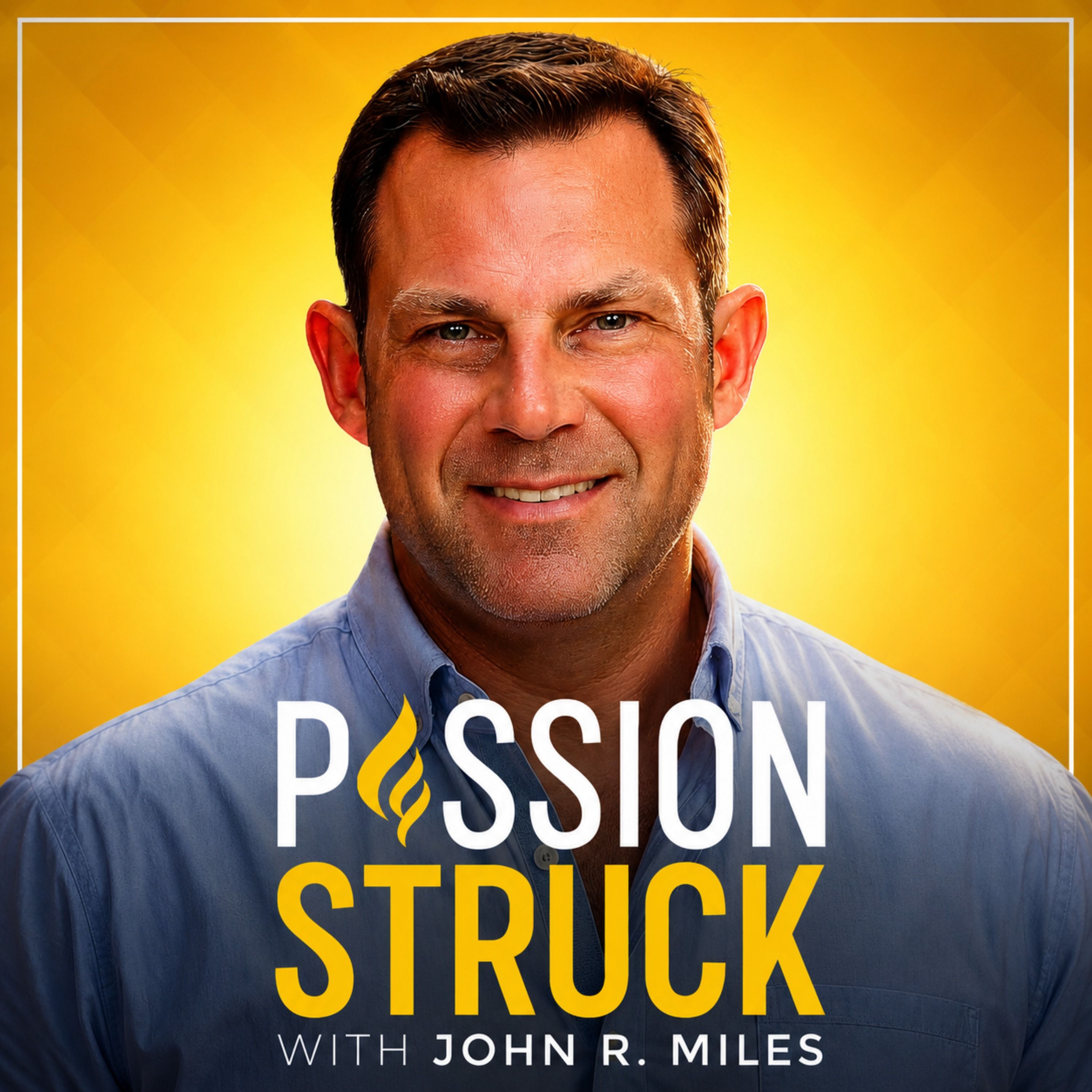
Passion Struck with John R. Miles
What if the happiness, belonging, and meaning you are looking for is hiding in the conversations you never start?
In this episode of Passion Struck, John R. Miles sits down with social psychologist Nicholas Epley to explore why we consistently underestimate how much social interaction improves our lives. Drawing from his work and new book, A Little More Social, Nick reveals a profound paradox: while humans are wired for connection, we often choose solitude due to mistaken assumptions about how others will respond.
They discuss the surprising benefits of talking to strangers, the psychology of reciprocity, and how tiny micro-choices of connection influence long-term happiness, health, and belonging. Nick also shares insights from his famous train studies and explains why loneliness is often fueled by a fear of rejection that does not align with reality.
Key Discussion Points:
- The Paradox of Solitude: Understanding why we choose to be less social than we should be despite the clear happiness benefits of connection.
- The Train Study: Nick shares the research proving that talking to strangers leads to a more positive experience than sitting in silence.
- Misjudging Kindness: Why we consistently underestimate how much others will appreciate our reach-outs and how kindness is more common than we assume.
- The Psychology of Reciprocity: How small social risks lead to a "wordless tie" of mutual belonging and gratitude.
- Loneliness and Rejection: Why mistaken assumptions about how others perceive us create unnecessary barriers to closeness.
- Human Flourishing: How intentional social micro-choices serve the broader mission of building a life of significance and internal worth.
Passion Struck is the #1 alternative health and personal growth podcast dedicated to human flourishing and the science of mattering.
Check out full show notes here: passionstruck.com/the-science-of-soci...
Explore companion insights for this episode at: theignitedlife.net/p/science-of-human...
Thank You to Our Sponsors Limited Time Offer – Get Huel today with my exclusive offer of 15% OFF online with my code PASSION at huel.com/passion. New customers only. Thank you to Huel for partnering and supporting our show!
Preorder Nick's Book, A Little More Social: sites.prh.com/a-little-more-social
Connect with John
- Pre-Order The Mattering Effect: matteringeffect.com
- Book John to Speak: johnrmiles.com/speaking
- Keynotes, books, podcast, and resources: linktr.ee/John_R_Miles
- Children’s Book — You Matter, Luma: youmatterluma.com
- Substack: theignitedlife.net
Support the Movement: startmattering.com/. Every human deserves to feel seen, valued, and like they matter. Wear it. Live it. Show it.
Disclaimer
The Passion Struck podcast is for educational and entertainment purposes only. The views and opinions expressed do not necessarily reflect those of Passion Struck or its affiliates. This podcast is not a substitute for professional medical or psychological advice.
Raw Description
What if some of the happiness, belonging, and meaning you’re looking for is hiding in conversations you never start?<br /><br />In this episode of Passion Struck, I sit down with social psychologist Nicholas Epley to explore the surprising science of human connection and why we consistently underestimate how much a little more social interaction can improve our lives. Drawing from his new book<i> A Little More Social: How Small Choices Create Big Happiness</i>, Nick reveals a profound paradox: We are wired for connection, yet every day we choose to be less social than we could be. And it may be costing us far more than we realize. <br /><br />We explore why talking to strangers often makes us happier than solitude, why we misjudge how others will respond to us, and how tiny “micro choices” of connection can dramatically influence happiness, health, and belonging.<br /><br />Nick shares the famous train study that launched years of research, the psychology of reciprocity, why we underestimate other people’s kindness, and how loneliness may be fueled not just by disconnection—but by mistaken assumptions about rejection.<br /><br />We also dive into the hidden ways comparison, adaptation, and secrecy can quietly block gratitude and closeness, and why some of the biggest transformations in life may begin with the smallest social risks.<br /><br />Passion Struck is the #1 alternative health and personal growth podcast dedicated to human flourishing and the science of mattering. <br /><br /><b>Check out full show notes here:</b><br /><br />Explore companion insights for this episode at:<br /><br /><br /><b>Thank You to Our Sponsors </b><br />Limited Time Offer – Get Huel today with my exclusive offer of 15% OFF online with my code PASSION at huel.com/passion. New customers only. Thank you to Huel for partnering and supporting our show!<br /><br />Preorder Nick's Book, <i>A Little More Social</i>: <a href="https://sites.prh.com/a-little-more-social" target="_blank" rel="noreferrer noopener">https://sites.prh.com/a-little-more-social</a><br /><br /><br /><b>Connect with John </b><br /><ul><li>Keynotes, books, podcast, and resources: <a href="https://linktr.ee/John_R_Miles" target="_blank" rel="noreferrer noopener">https://linktr.ee/John_R_Miles</a></li><li>Children’s Book — You Matter, Luma: <a href="https://youmatterluma.com/" target="_blank" rel="noreferrer noopener">https://youmatterluma.com/</a></li><li>Pre-Order The Mattering Effect: <a href="https://matteringeffect.com/" target="_blank" rel="noreferrer noopener">https://matteringeffect.com/</a></li><li>Book John to Speak: https://johnrmiles.com/speaking/</li></ul><br /><b>Support the Movement</b>: https://startmattering.com/. Every human deserves to feel seen, valued, and like they matter. Wear it. Live it. Show it.<br /><br /><b>Disclaimer</b><br /><br />The Passion Struck podcast is for educational and entertainment purposes only. The views and opinions expressed do not necessarily reflect those of Passion Struck or its affiliates. This podcast is not a substitute for professional medical or psychological advice.
Show Notes
What if the happiness, belonging, and meaning you are looking for is hiding in the conversations you never start?
In this episode of Passion Struck, John R. Miles sits down with social psychologist Nicholas Epley to explore why we consistently underestimate how much social interaction improves our lives. Drawing from his work and new book, A Little More Social, Nick reveals a profound paradox: while humans are wired for connection, we often choose solitude due to mistaken assumptions about how others will respond.
They discuss the surprising benefits of talking to strangers, the psychology of reciprocity, and how tiny micro-choices of connection influence long-term happiness, health, and belonging. Nick also shares insights from his famous train studies and explains why loneliness is often fueled by a fear of rejection that does not align with reality.
Key Discussion Points:
- The Paradox of Solitude: Understanding why we choose to be less social than we should be despite the clear happiness benefits of connection.
- The Train Study: Nick shares the research proving that talking to strangers leads to a more positive experience than sitting in silence.
- Misjudging Kindness: Why we consistently underestimate how much others will appreciate our reach-outs and how kindness is more common than we assume.
- The Psychology of Reciprocity: How small social risks lead to a "wordless tie" of mutual belonging and gratitude.
- Loneliness and Rejection: Why mistaken assumptions about how others perceive us create unnecessary barriers to closeness.
- Human Flourishing: How intentional social micro-choices serve the broader mission of building a life of significance and internal worth.
Passion Struck is the #1 alternative health and personal growth podcast dedicated to human flourishing and the science of mattering.
Check out full show notes here: passionstruck.com/the-science-of-soci...
Explore companion insights for this episode at: theignitedlife.net/p/science-of-human...
Thank You to Our Sponsors Limited Time Offer – Get Huel today with my exclusive offer of 15% OFF online with my code PASSION at huel.com/passion. New customers only. Thank you to Huel for partnering and supporting our show!
Preorder Nick's Book, A Little More Social: sites.prh.com/a-little-more-social
Connect with John
- Pre-Order The Mattering Effect: matteringeffect.com
- Book John to Speak: johnrmiles.com/speaking
- Keynotes, books, podcast, and resources: linktr.ee/John_R_Miles
- Children’s Book — You Matter, Luma: youmatterluma.com
- Substack: theignitedlife.net
Support the Movement: startmattering.com/. Every human deserves to feel seen, valued, and like they matter. Wear it. Live it. Show it.
Disclaimer
The Passion Struck podcast is for educational and entertainment purposes only. The views and opinions expressed do not necessarily reflect those of Passion Struck or its affiliates. This podcast is not a substitute for professional medical or psychological advice.
Raw Description
What if some of the happiness, belonging, and meaning you’re looking for is hiding in conversations you never start?<br /><br />In this episode of Passion Struck, I sit down with social psychologist Nicholas Epley to explore the surprising science of human connection and why we consistently underestimate how much a little more social interaction can improve our lives. Drawing from his new book<i> A Little More Social: How Small Choices Create Big Happiness</i>, Nick reveals a profound paradox: We are wired for connection, yet every day we choose to be less social than we could be. And it may be costing us far more than we realize. <br /><br />We explore why talking to strangers often makes us happier than solitude, why we misjudge how others will respond to us, and how tiny “micro choices” of connection can dramatically influence happiness, health, and belonging.<br /><br />Nick shares the famous train study that launched years of research, the psychology of reciprocity, why we underestimate other people’s kindness, and how loneliness may be fueled not just by disconnection—but by mistaken assumptions about rejection.<br /><br />We also dive into the hidden ways comparison, adaptation, and secrecy can quietly block gratitude and closeness, and why some of the biggest transformations in life may begin with the smallest social risks.<br /><br />Passion Struck is the #1 alternative health and personal growth podcast dedicated to human flourishing and the science of mattering. <br /><br /><b>Check out full show notes here:</b><br /><br />Explore companion insights for this episode at:<br /><br /><br /><b>Thank You to Our Sponsors </b><br />Limited Time Offer – Get Huel today with my exclusive offer of 15% OFF online with my code PASSION at huel.com/passion. New customers only. Thank you to Huel for partnering and supporting our show!<br /><br />Preorder Nick's Book, <i>A Little More Social</i>: <a href="https://sites.prh.com/a-little-more-social" target="_blank" rel="noreferrer noopener">https://sites.prh.com/a-little-more-social</a><br /><br /><br /><b>Connect with John </b><br /><ul><li>Keynotes, books, podcast, and resources: <a href="https://linktr.ee/John_R_Miles" target="_blank" rel="noreferrer noopener">https://linktr.ee/John_R_Miles</a></li><li>Children’s Book — You Matter, Luma: <a href="https://youmatterluma.com/" target="_blank" rel="noreferrer noopener">https://youmatterluma.com/</a></li><li>Pre-Order The Mattering Effect: <a href="https://matteringeffect.com/" target="_blank" rel="noreferrer noopener">https://matteringeffect.com/</a></li><li>Book John to Speak: https://johnrmiles.com/speaking/</li></ul><br /><b>Support the Movement</b>: https://startmattering.com/. Every human deserves to feel seen, valued, and like they matter. Wear it. Live it. Show it.<br /><br /><b>Disclaimer</b><br /><br />The Passion Struck podcast is for educational and entertainment purposes only. The views and opinions expressed do not necessarily reflect those of Passion Struck or its affiliates. This podcast is not a substitute for professional medical or psychological advice.